3 Subconscious Reasons Why You Worry and How to Stop Worrying
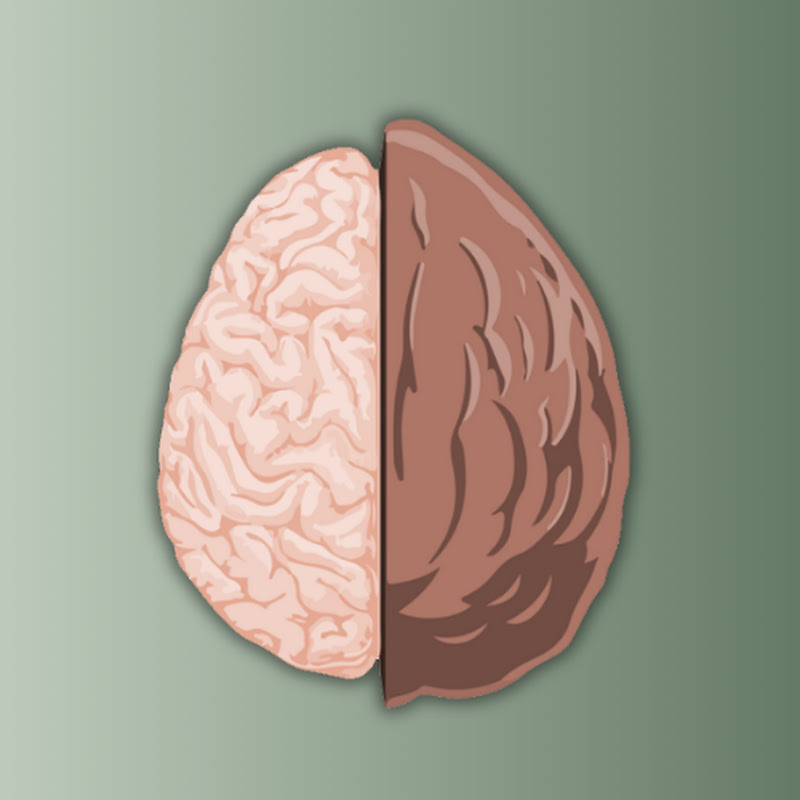
Discover 3 subconscious reasons you worry and learn effective strategies like scheduled worry time and mindfulness to stop chronic worrying and anxiety.
Join Therapy in a Nutshell’s membership: https://courses.therapyinanutshell.com/membership
You'll get instant access to all 10 life-changing courses, live weekly Q&As, and a supportive community for just $27/month. Learn how to manage anxiety, process trauma, regulate emotions, and build lasting resilience so that you can live a deeply rich and meaningful life!
Learn how to stop worrying with the online course Worry Free, taught by Nick Wignall- https://courses.therapyinanutshell.com/WorryFree
So in this video you’ll learn the 3 subconscious benefits you get from worry, and how to retrain your brain to worry less.
First off, I have to credit Dr. Martin Rossman, he’s the author of “The Worry Solution” and he’s an expert in mind/body medicine. This video is basically a concise excerpt from his longer, excellent youtube video “How your Brain can turn anxiety into calmness”. https://www.youtube.com/watch?v=KYJdekjiAog
His book, The Worry Solution: https://thehealingmind.org/products/the-worry-solution-using-breakthrough-brain-science-to-turn-stress-and-anxiety-into-confidence-and-happiness?_pos=7&_sid=7e59cc40d&_ss=r
OK, so worry serves at least 3 functions. But real quick, let’s define worry:
Worry is a form of thinking, cognition, it’s imagining future outcomes, usually the bad ones. It’s considering all the things that could possibly go wrong.
Stress is the physiological response, it’s what happens in your body when you are physically threatened- like a huge dog jumps out to attack you, your adrenaline surges, your heart rate and breathing increase, your blood pressure goes up. While worry happens in your mind, stress is what happens in your body. And it doesn’t just respond to physical threats, you can have a physical response to being rejected by your peers or getting an angry email from your boss.
Anxiety- Is the emotional response, it happens in the limbic system in your brain. I consider it a combination of thoughts and physical reactions, but it basically creates a strong motivation to avoid a threat. If you’re anxious around heights, it makes you back away from the cliff edge. If you’re anxious about an upcoming test, you try to avoid that anxiety by either studying harder or procrastinating.
Looking for affordable online therapy? My sponsor, BetterHelp, connects you to a licensed professional from the comfort of your own home. Try it now for 10% off your first month: https://betterhelp.com/therapyinanutshell
Support my mission on Patreon: https://www.patreon.com/therapyinanutshell
Sign up for my newsletter: https://courses.therapyinanutshell.com/free-resources
Check out my favorite self-help books: https://kit.co/TherapyinaNutshell/best-self-help-books
Check out my podcast, Therapy in a Nutshell: https://tinpodcast.podbean.com/
Therapy in a Nutshell and the information provided by Emma McAdam are solely intended for informational and entertainment purposes and are not a substitute for advice, diagnosis, or treatment regarding medical or mental health conditions. Although Emma McAdam is a licensed marriage and family therapist, the views expressed on this site or any related content should not be taken for medical or psychiatric advice. Always consult your physician before making any decisions related to your physical or mental health.
In therapy I use a combination of Acceptance and Commitment Therapy, Systems Theory, positive psychology, and a bio-psycho-social approach to treating mental illness and other challenges we all face in life. The ideas from my videos are frequently adapted from multiple sources. Many of them come from Acceptance and Commitment Therapy, especially the work of Steven Hayes, Jason Luoma, and Russ Harris. The sections on stress and the mind-body connection derive from the work of Stephen Porges (the Polyvagal theory), Peter Levine (Somatic Experiencing) Francine Shapiro (EMDR), and Bessel Van Der Kolk. I also rely heavily on the work of the Arbinger institute for my overall understanding of our ability to choose our life's direction.
And deeper than all of that, the Gospel of Jesus Christ orients my personal worldview and sense of security, peace, hope, and love https://www.churchofjesuschrist.org/comeuntochrist/believe
If you are in crisis, please contact the National Suicide Prevention Hotline at https://suicidepreventionlifeline.org/ or 1-800-273-TALK (8255) or your local emergency services.
Copyright Therapy in a Nutshell, LLC
📊 Video Statistics
🎧 About This Track
📖 How to Get the Most Out of This Audio
To fully enjoy "3 Subconscious Reasons Why You Worry and How to Stop Worrying", we recommend the following approach:
- Set the Scene: Find a comfortable position, dim the lights if possible, and minimize distractions.
- Use Quality Audio: Headphones or quality speakers will enhance the experience significantly.
- Adjust Volume: Keep the volume at a comfortable background level - loud enough to hear, quiet enough to relax.
- Enable Loop: Click the Loop button above for continuous play during your session.
- Try the Mixer: Use our Ambient Sound Mixer below to customize the audio with additional sound layers.
This 9:42 track is ideal for relaxation, focus, sleep. With 350.2K views, it has become a trusted choice for thousands of listeners worldwide.