6 Thinking Patterns that Make OCD and Anxiety Worse
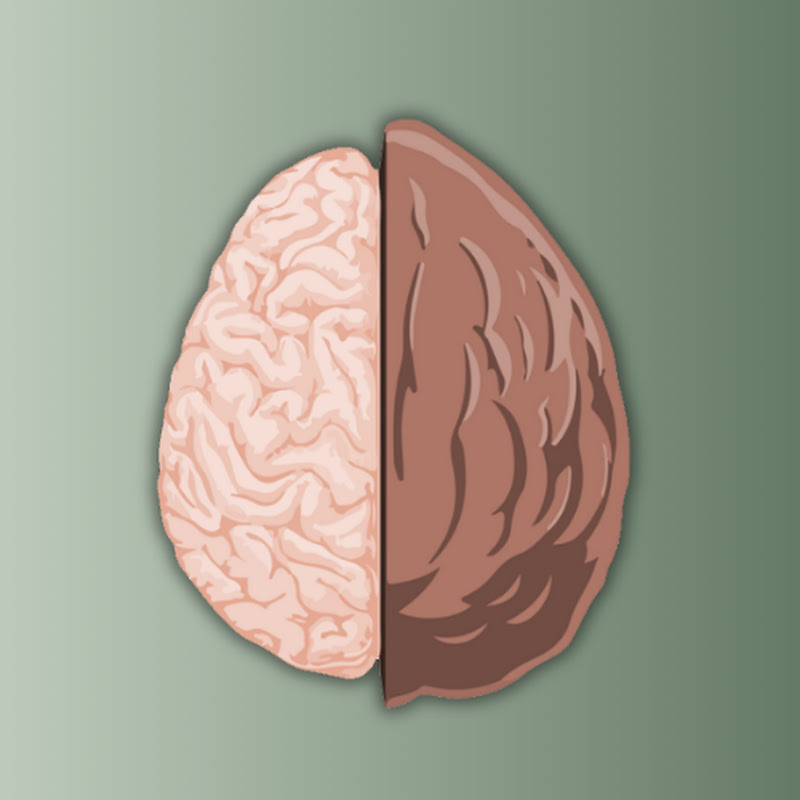
Identify 6 thinking patterns worsening OCD and anxiety. Learn to challenge cognitive distortions like perfectionism and thought fusion for better mental health.
Join Therapy in a Nutshell’s membership: https://courses.therapyinanutshell.com/membership
You'll get instant access to all 10 life-changing courses, live weekly Q&As, and a supportive community for just $27/month. Learn how to manage anxiety, process trauma, regulate emotions, and build lasting resilience so that you can live a deeply rich and meaningful life!
OCD is caused by a combination of factors: genetic and biological (what’s going on with our bodies, including inflammation, nutrition, stress, etc.), environmental (our experiences), and psychological (how we think). The way you think and act determines whether you feed or starve your OCD. In this video we’ll look at six types of thinking that feed OCD, they make it worse. And the reason we look at these is because when you can notice these thoughts, clarify that they aren’t helpful, and then replace them with something else, you actively decrease OCD symptoms.
OK, so let’s explore six thinking patterns that make OCD worse and then we'll talk about what to do about it.
1. Inflated responsibility
2. Thought fusion: believing that thinking it and doing it are the same thing
3. Excessive concern with controlling one’s thoughts: “I shouldn’t ever think this…”
4. Overestimation of threat
5. Intolerance of uncertainty
6. Perfectionism: "I can't make a mistake"
0:00 Introduction
1:24 6 Thinking Patterns That Make OCD Worse
7:02 6 Things You Can Do
Click the link below to access the transcript:
https://therapyinanutshell.com/6-thinking-patterns-that-make-ocd-and-anxiety-worse/
Looking for affordable online therapy? My sponsor, BetterHelp, connects you to a licensed professional from the comfort of your own home. Try it now for 10% off your first month: https://betterhelp.com/therapyinanutshell
Learn more in one of my in-depth mental health courses: https://courses.therapyinanutshell.com/?utm_medium=YTDescription&utm_source=YouTube
Support my mission on Patreon: https://www.patreon.com/therapyinanutshell
Sign up for my newsletter: https://courses.therapyinanutshell.com/free-resources
Check out my favorite self-help books: https://kit.co/TherapyinaNutshell/best-self-help-books
Check out my podcast, Therapy in a Nutshell: https://tinpodcast.podbean.com/
Therapy in a Nutshell and the information provided by Emma McAdam are solely intended for informational and entertainment purposes and are not a substitute for advice, diagnosis, or treatment regarding medical or mental health conditions. Although Emma McAdam is a licensed marriage and family therapist, the views expressed on this site or any related content should not be taken for medical or psychiatric advice. Always consult your physician before making any decisions related to your physical or mental health.
In therapy I use a combination of Acceptance and Commitment Therapy, Systems Theory, positive psychology, and a bio-psycho-social approach to treating mental illness and other challenges we all face in life. The ideas from my videos are frequently adapted from multiple sources. Many of them come from Acceptance and Commitment Therapy, especially the work of Steven Hayes, Jason Luoma, and Russ Harris. The sections on stress and the mind-body connection derive from the work of Stephen Porges (the Polyvagal theory), Peter Levine (Somatic Experiencing) Francine Shapiro (EMDR), and Bessel Van Der Kolk. I also rely heavily on the work of the Arbinger institute for my overall understanding of our ability to choose our life's direction.
And deeper than all of that, the Gospel of Jesus Christ orients my personal worldview and sense of security, peace, hope, and love https://www.churchofjesuschrist.org/comeuntochrist/believe
If you are in crisis, please contact the National Suicide Prevention Hotline at https://suicidepreventionlifeline.org/ or 1-800-273-TALK (8255) or your local emergency services.
Copyright Therapy in a Nutshell, LLC
📊 Video Statistics
🎧 About This Track
📖 How to Get the Most Out of This Audio
To fully enjoy "6 Thinking Patterns that Make OCD and Anxiety Worse", we recommend the following approach:
- Set the Scene: Find a comfortable position, dim the lights if possible, and minimize distractions.
- Use Quality Audio: Headphones or quality speakers will enhance the experience significantly.
- Adjust Volume: Keep the volume at a comfortable background level - loud enough to hear, quiet enough to relax.
- Enable Loop: Click the Loop button above for continuous play during your session.
- Try the Mixer: Use our Ambient Sound Mixer below to customize the audio with additional sound layers.
This 10:51 track is ideal for relaxation, focus, sleep. With 137.9K views, it has become a trusted choice for thousands of listeners worldwide.