A nerdy deep dive into ADHD and Anxiety
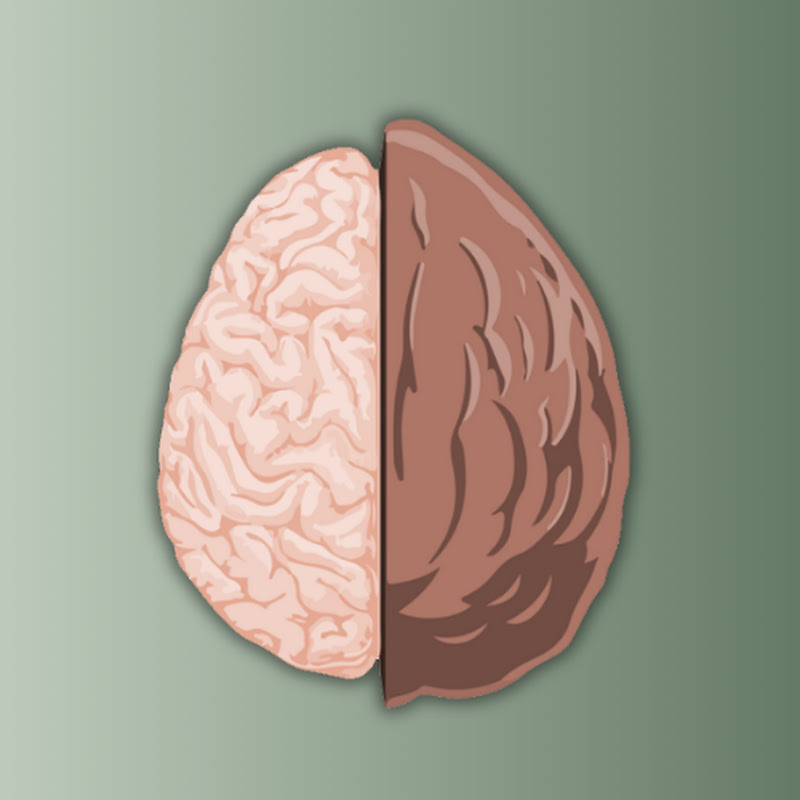
Let’s talk about the link between Anxiety and ADHD—how executive function challenges fuel both conditions and how you can improve anxiety with an ADHD approach.
Learn the skills to Regulate your Emotions, join the membership: https://courses.therapyinanutshell.com/membership
Download the ADHD Anxiety symptom overlap chart: https://courses.therapyinanutshell.com/pl/2148705851
What is Executive Function: https://www.youtube.com/watch?v=2RoWB8tYLMM
Are you ready for a nerdy deep dive into the brain differences (and similarities) with ADHD and Anxiety? Because I am! 😀
ADHD and anxiety share a ton of symptoms: racing thoughts, sleep problems, worry about forgetting something, and fidgety hands. But while they have a lot of the same symptoms, they do have some fundamental underlying differences in what’s going on in the brain, and a lot of it has to do with Executive Function…so let’s dive in and figure it out.
00:00 The Link Between Anxiety and ADHD Symptoms
01:20 The ADHD Brain on Fast Forward Fuels Anxiety
02:47 ADHD and Anxiety Symptoms Overlap
03:19 Understanding Worry in ADHD vs. Anxiety
04:15 Hyperactivity in ADHD vs. Anxiety
05:00 ADHD and Anxiety: Two Paths to Distracted
05:18 How Anxiety and ADHD Disrupt Sleep in Different Ways
05:54 The Link Between Anxiety and ADHD Starts With Executive Function
10:11 ADHD and Cognitive Scatter: Why Executive Function Skills Feel Uneven
12:08 ADHD and Executive Function: Why Working Memory Is Often a Struggle
15:48 How Emotion Processing Supports Executive Function with ADHD
18:19 Helping Anxiety from an ADHD Approach
18:44 Slowing the ADHD Brain: Why Pace Matters for Executive Function
23:12 Building Stronger Brakes for ADHD: Stopping Before Anxiety Takes Over
26:04 Supporting Executive Function: The Key to Managing ADHD and Anxiety
Looking for affordable online counseling? My sponsor, BetterHelp, connects you to a licensed professional from the comfort of your own home. Try it now for 10% off your first month: https://betterhelp.com/therapyinanutshell
FREE Mental Health Resources: https://courses.therapyinanutshell.com/free-resources
Check out my podcast, Therapy in a Nutshell: https://tinpodcast.podbean.com/
Therapy in a Nutshell and the information provided by Emma McAdam are solely intended for informational and entertainment purposes and are not a substitute for advice, diagnosis, or treatment regarding medical or mental health conditions. Although Emma McAdam is a licensed marriage and family therapist, the views expressed on this site or any related content should not be taken for medical or psychiatric advice. Always consult your physician before making any decisions related to your physical or mental health.
In therapy I use a combination of Acceptance and Commitment Therapy, Systems Theory, positive psychology, and a bio-psycho-social approach to treating mental illness and other challenges we all face in life. The ideas from my videos are frequently adapted from multiple sources. Many of them come from Acceptance and Commitment Therapy, especially the work of Steven Hayes, Jason Luoma, and Russ Harris. The sections on stress and the mind-body connection derive from the work of Stephen Porges (the Polyvagal theory), Peter Levine (Somatic Experiencing) Francine Shapiro (EMDR), and Bessel Van Der Kolk. I also rely heavily on the work of the Arbinger institute for my overall understanding of our ability to choose our life's direction.
And deeper than all of that, the Gospel of Jesus Christ orients my personal worldview and sense of security, peace, hope, and love https://www.churchofjesuschrist.org/comeuntochrist/believe
If you are in crisis, please contact the National Suicide Prevention Hotline at https://suicidepreventionlifeline.org/ or 988 or your local emergency services.
Copyright Therapy in a Nutshell, LLC
📊 Video Statistics
🎧 About This Track
📖 How to Get the Most Out of This Audio
To fully enjoy "A nerdy deep dive into ADHD and Anxiety", we recommend the following approach:
- Set the Scene: Find a comfortable position, dim the lights if possible, and minimize distractions.
- Use Quality Audio: Headphones or quality speakers will enhance the experience significantly.
- Adjust Volume: Keep the volume at a comfortable background level - loud enough to hear, quiet enough to relax.
- Enable Loop: Click the Loop button above for continuous play during your session.
- Try the Mixer: Use our Ambient Sound Mixer below to customize the audio with additional sound layers.
This 27:12 track is ideal for relaxation, focus, sleep. With 727.9K views, it has become a trusted choice for thousands of listeners worldwide.