Debussy - Arabesque No. 1 (Ciccolini)
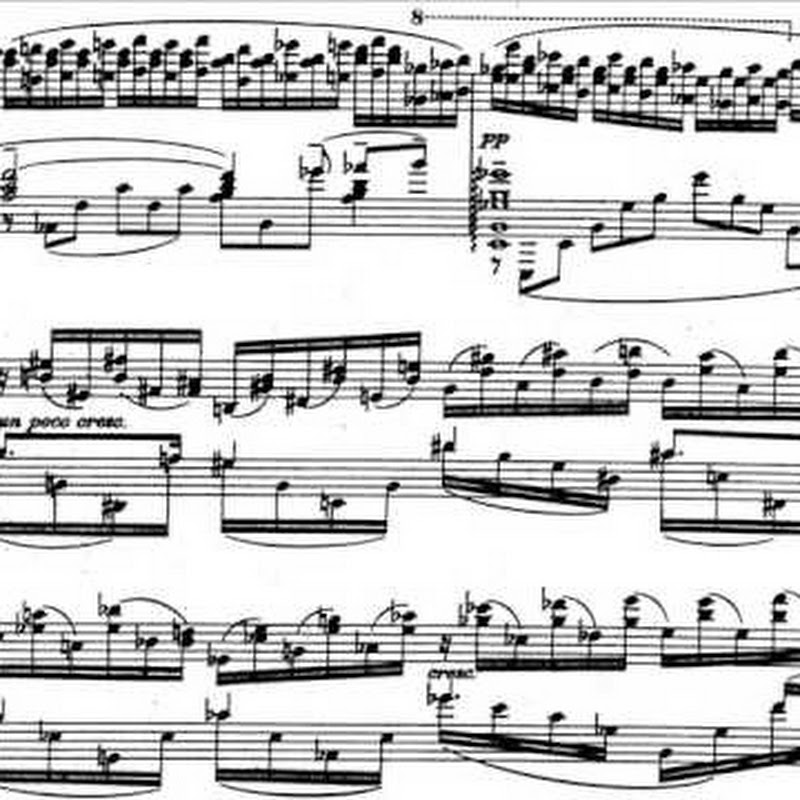
Arabesque No. 1 from Deux Arabesques
Aldo Ciccolini, piano
The Deux arabesques, L. 66 (Two Arabesques) is a pair of arabesques composed by Claude Debussy. The arabesques are two of Debussy's earliest works, composed between the years 1888 and 1891. Debussy was still in his twenties. Although quite an early work, the arabesques contain hints of Debussy's developing musical style. The suite is one of the very early impressionistic pieces of music, following the French visual art form. Debussy seems to wander through modes and keys, and achieves evocative scenes through music. This arabesque is in the key of E major. Like most impressionistic pieces for the piano, the opening arpeggio can suggest water flow. It eventually leads into a larger section beginning with a left hand arpeggio in E major and a descending right hand E major pentatonic progression. After a lightening of tone, the original progression returns and varies itself, turning briefly to F-sharp major, before returning to a satisfying E major section close. The second quieter B section is in A major, which starts with a gesture (E-D-E-C#), builds with rising triplets in the right hand and octaves in the left. The section ends with a bold pronouncement of the E-D-E-C# gesture, but transposed to the key of C major, played forte. The gesture is repeated in a higher register, with slight modifications resulting in a transposition back to the E major of the A section. In the middle of the recapitulation of the A section, the music moves to a higher register and descends, followed by a large pentatonic scale ascending and descending, becoming a V7 chord (B7), and resolving back to E major, before the descending right hand E major pentatonic progression is played an octave up. Both hands rise up the keyboard and closes with gentle E major chords.
Claude Debussy (1862 - 1918)
📊 Video Statistics
🎧 About This Track
This 4 minutes audio journey has been thoughtfully composed to provide a rich musical experience centered around piano, harp, with each note chosen to promote calm and well-being. The overall atmosphere is distinctly gentle, creating an ideal environment for rest and rejuvenation. Every element has been balanced to ensure a consistent experience throughout, without jarring transitions or sudden changes that might disrupt your relaxation. The audio quality maintains professional standards, making it suitable for high-quality speakers, headphones, or sleep systems.
This audio experience features a carefully balanced sound profile with slow tempo and gentle intensity. The mix has been optimized for extended listening, with frequency ranges that promote relaxation without fatigue. Whether listening through speakers or headphones, the spatial qualities of the recording create an immersive environment that transports you away from daily concerns.
Listening to this audio can provide numerous benefits for both mental and physical well-being. The carefully designed soundscape promotes parasympathetic nervous system activation, helping the body shift from 'fight or flight' mode into 'rest and digest' mode. Regular listening can help establish healthy relaxation habits and improve overall stress management.
The science of sound therapy draws from multiple disciplines: psychology, neuroscience, and acoustic ecology. Research consistently shows that ambient sounds can modulate autonomic nervous system activity, shifting the body from stress response (sympathetic activation) toward relaxation response (parasympathetic activation). This occurs through multiple pathways: masking of disruptive environmental sounds, providing gentle cognitive engagement that prevents anxious rumination, and creating predictable soundscapes that signal safety to primitive brain regions. Regular exposure to relaxing audio can help establish positive feedback loops where the brain learns to associate certain sounds with calm states.
The community response to this audio has been genuinely appreciative, with 48,650 likes reflecting the genuine impact it has had on listeners worldwide. In the comments section, listeners share personal stories of how this audio has helped them through difficult times, aided their sleep, or provided a reliable source of calm during stressful periods. Many listeners return to this track regularly, considering it an essential part of their self-care routine. The consistent quality and reliable results have built a dedicated community of listeners who trust this audio for their relaxation needs.
To get the most from this audio experience, consider your listening environment and equipment. Find a comfortable position and allow yourself to fully receive the audio experience. Quality headphones can enhance the spatial qualities of the recording, though speakers work well for creating ambient environments. Adjust volume to your preference—lower for background ambience, slightly higher for active listening. Consistency in your listening routine can amplify benefits over time, as your mind learns to associate these sounds with relaxation.
This audio is particularly effective during: After a stressful day when you need to decompress; During quiet evening hours for peaceful ambience; Weekend relaxation and self-care time; Any moment when you need to step away from daily pressures. The versatility of this track means it adapts well to various situations and times of day. Listen when you feel the need for calm, or make it part of your regular routine for cumulative benefits.
Published by ClassicalScores, this audio has been mastered for optimal streaming quality across all devices. At 4:25, this track works excellently with the built-in loop feature for extended listening sessions. The consistent audio levels throughout ensure no sudden volume changes that might disrupt your experience.
✨ Highlights
- ⭐ Reached 1 million+ views milestone
- 🎵 Professional musical composition
🎯 Best For
💡 Listening Tips
- 🔁 Enable looping for continuous relaxation
- 🎛️ Try the Ambient Sound Mixer to customize your experience
- 📱 Works great through phone speakers or Bluetooth
💬 What Listeners Say
"I used to come home from school and hear my mother practicing this piece on our huge upright piano, picking her way through the long runs a measure at a time. I heard it on a TV show today and started crying. She's been gone for five years now, and I..."
— @fluidstatic5564 👍 2,394
"When I listen to this, I feel like I’m living inside one of Monet’s paintings."
— @kaymuldoon3575 👍 951
"The reason why I love Debussy's music so much is beacause it is SO different, delicate, colorful and rich! He has this kind of air-water feeling in his music. It's fluid and crystal just like water and light just like air."
— @kevengrenon3219 👍 842
📖 How to Get the Most Out of This Audio
To fully enjoy "Debussy - Arabesque No. 1 (Ciccolini)", we recommend the following approach:
- Set the Scene: Find a comfortable position, dim the lights if possible, and minimize distractions.
- Use Quality Audio: Headphones or quality speakers will enhance the experience significantly.
- Adjust Volume: Keep the volume at a comfortable background level - loud enough to hear, quiet enough to relax.
- Enable Loop: Click the Loop button above for continuous play during your session.
- Try the Mixer: Use our Ambient Sound Mixer below to customize the audio with additional sound layers.
This 4:25 track is ideal for relaxation, focus, sleep. With 5.7M views, it has become a trusted choice for thousands of listeners worldwide.