Mitsuko Uchida - W.A. Mozart Piano Concerto No.9 in E flat Major K. 271 "Jeunehomme"
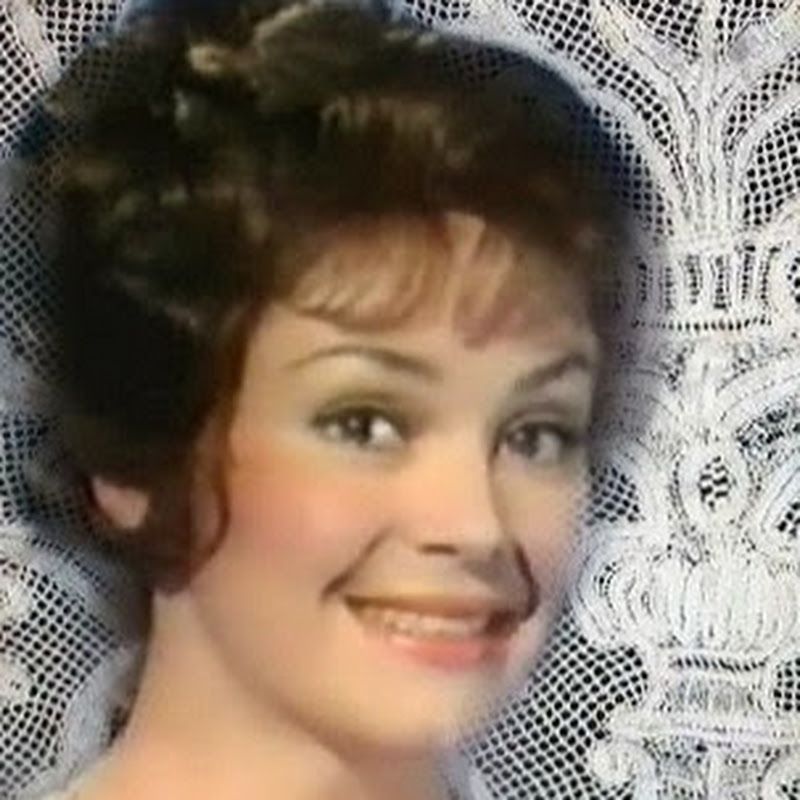
W.A. Mozart
Piano Concerto No.9 in E flat Major K. 271
"Jeunehomme"
Mitsuko Uchida - Piano
Jeffrey Tate - Conductor
Dame Mitsuko Uchida DBE (内田光子), born December 20, 1948, is a Japanese naturalized-British classical pianist generally regarded as one of the finest of her era. She has appeared with most of the world's foremost orchestras, recorded a wide repertory with major labels, won numerous awards and honors (including Dame Commander of the Order of the British Empire in 2009), and serves as co-director of the Marlboro Music School and Festival. In recent years, she has also conducted major orchestras.
Born in Atami, a seaside town close to Tokyo, Japan, Uchida moved to Vienna, Austria, with her diplomat parents when she was 12 years old, after her father was named the Japanese ambassador to Austria. She enrolled at the Vienna Academy of Music to study with Richard Hauser, and later Wilhelm Kempff and Stefan Askenase, and remained in Vienna to study when her father was transferred back to Japan after five years. She gave her first Viennese recital at the age of 14 at the Vienna Musikverein. She also studied with Maria Curcio, the last and favourite pupil of Artur Schnabel.
In 1969 she won the first prize in the Beethoven Competition in Vienna and in 1970 the second prize in the International Chopin Piano Competition. In 1975, she won second prize in the Leeds Piano Competition.
In 1998 Uchida was the Music Director of the Ojai Music Festival in conjunction with conductor and violinist, David Zinman.
She is an acclaimed interpreter of the works of Mozart, Beethoven, Schubert, Chopin, Debussy and Schoenberg. She has recorded all of Mozart's piano sonatas (a project that won the Gramophone Award), and concerti, the latter with the English Chamber Orchestra, conducted by Jeffrey Tate. Her recording of the Schoenberg Piano Concerto with Pierre Boulez won another Gramophone Award. She is further noted for her recordings of Beethoven's complete piano concerti with Kurt Sanderling conducting, Beethoven's late piano sonatas, and a Schubert piano cycle. She is distinguished as an interpreter of the works of the Second Viennese School. Her 2009 recording of the Mozart Piano Concertos nos. 23 and 24, in which she conducted the Cleveland Orchestra as well as playing the solo part, won the Grammy Award.
From 2002 to 2007 she served as artist-in-residence for the Cleveland Orchestra, where she led performances of all of Mozart's solo piano concertos. She has also conducted the English Chamber Orchestra, among others, from the keyboard. In 2010, she was artist-in-residence for the Berlin Philharmonic. She is one two Artistic Directors of the Marlboro Music School and Festival, along with fellow pianist Richard Goode. She is also a trustee of the Borletti-Buitoni Trust, an organization established to help young artists develop and sustain international careers.[5] In May 2012, the Royal Philharmonic Society announced that she would be honored with their Gold Medal (she received the society's annual Music Award in 2003); previous recipients have included Johannes Brahms (1877), Frederick Delius and Sir Edward Elgar (1925), Richard Strauss (1936), Igor Stravinsky (1954), Benjamin Britten and Leonard Bernstein (1987).
Uchida currently resides in London. Her long-standing partner, Sir Robert Cooper, currently works for the European Union in Brussels.
📊 Video Statistics
🎧 About This Track
This 33 minutes audio journey has been thoughtfully composed to provide a rich musical experience centered around piano, violin, with each note chosen to promote calm and well-being. Every element has been balanced to ensure a consistent experience throughout, without jarring transitions or sudden changes that might disrupt your relaxation. The audio quality maintains professional standards, making it suitable for high-quality speakers, headphones, or sleep systems.
The piano arrangements feature carefully selected keys and progressions known for their calming properties. Minor keys blend with gentle major progressions to create emotional depth without intensity. The reverb and spacing between notes allow each tone to breathe, creating space for reflection and peace.
Listening to this audio can provide numerous benefits for both mental and physical well-being. Piano music at slow tempos has been shown to lower blood pressure and reduce heart rate. The emotional qualities of piano can help process feelings while maintaining calm. Many therapists recommend soft piano music for anxiety management and emotional regulation.
Musical cognition research reveals that slow piano music activates multiple brain regions associated with emotional processing and memory. The overtone series produced by piano strings creates what musicians call 'consonant harmonies' - sound combinations that the brain perceives as pleasant and resolved. Studies have shown that listening to slow piano music can lower cortisol levels by up to 25% within 30 minutes. The emotional expressiveness of piano allows listeners to process their own feelings in a safe, non-verbal way.
The community response to this audio has been genuinely appreciative, with 7,670 likes reflecting the genuine impact it has had on listeners worldwide. In the comments section, listeners share personal stories of how this audio has helped them through difficult times, aided their sleep, or provided a reliable source of calm during stressful periods. Many listeners return to this track regularly, considering it an essential part of their self-care routine. The consistent quality and reliable results have built a dedicated community of listeners who trust this audio for their relaxation needs.
To get the most from this audio experience, consider your listening environment and equipment. For study or work, maintain the volume at a level where it provides gentle background presence without demanding attention. Position speakers or headphones to create an immersive but not overwhelming soundscape. Take breaks every 45-60 minutes to maintain effectiveness. Consistency in your listening routine can amplify benefits over time, as your mind learns to associate these sounds with relaxation.
This audio is particularly effective during: Study sessions and homework time; Work from home focus periods; Creative project sessions. The versatility of this track means it adapts well to various situations and times of day. Listen when you feel the need for calm, or make it part of your regular routine for cumulative benefits.
Published by fairlytaleofnewyork, this audio has been mastered for optimal streaming quality across all devices. At 33:31, this track works excellently with the built-in loop feature for extended listening sessions. The consistent audio levels throughout ensure no sudden volume changes that might disrupt your experience.
✨ Highlights
- ⭐ Reached 1 million+ views milestone
- 🎹 Beautiful piano compositions
- 🎵 Professional musical composition
🎯 Best For
💡 Listening Tips
- 🔁 Enable looping for continuous relaxation
- 🎵 Pairs beautifully with reading or journaling
- 🎛️ Try the Ambient Sound Mixer to customize your experience
- 📱 Works great through phone speakers or Bluetooth
💬 What Listeners Say
"Mitsuko Uchida no doubt is the best Mozart performer. She talks to him all the time!"
— @trentikaa 👍 307
"Wow... Mozart is simultaneously mainstream and hidden. People know he's good, but they have no idea.."
— @DavidS-wz7fx 👍 114
"I am a pianist and organist and have played some of the concertos and will always hold a deep respect fro Mitusko Uchida. She brings out he best of Mozart's music."
— @georgefelty6357 👍 53
📖 How to Get the Most Out of This Audio
To fully enjoy "Mitsuko Uchida - W.A. Mozart Piano Concerto No.9 in E flat Major K. 271 "Jeunehomme"", we recommend the following approach:
- Set the Scene: Find a comfortable position, dim the lights if possible, and minimize distractions.
- Use Quality Audio: Headphones or quality speakers will enhance the experience significantly.
- Adjust Volume: Keep the volume at a comfortable background level - loud enough to hear, quiet enough to relax.
- Enable Loop: Click the Loop button above for continuous play during your session.
- Try the Mixer: Use our Ambient Sound Mixer below to customize the audio with additional sound layers.
This 33:31 track is ideal for relaxation, focus, sleep. With 1.5M views, it has become a trusted choice for thousands of listeners worldwide.