Mozart - Piano Sonata No. 11, K.331 (1783) {Ingrid Haebler}
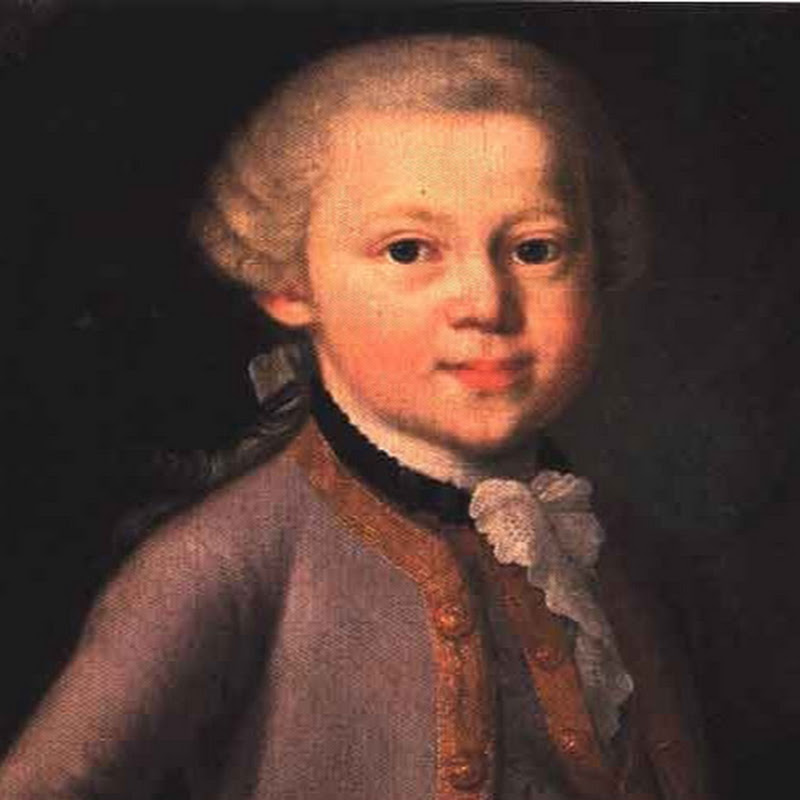
Wolfgang Amadeus Mozart (27 January 1756 – 5 December 1791), baptised as Johannes Chrysostomus Wolfgangus Theophilus Mozart, was a prolific and influential composer of the classical era. According to Bartje Bartmans one of the greatest and brightest stars on the firmament.
Please support my channel:
https://ko-fi.com/bartjebartmans
Piano Sonata No. 11 in A major, K.331 (300i) Salzburg? 1783
Edition Peters lists it as Paris, 1778
I. Andante grazioso (0:00)
II. Menuetto (15:02)
III. Alla turca – Allegretto (21:38)
Ingrid Haebler, piano
Description by Brian Robins [-]
The Sonata in A is the second of three sonatas now established as likely to have been composed during 1783, perhaps during the period Mozart and his wife Constanze spent in Salzburg in the summer months of that year. This was the occasion on which the composer introduced his new bride to his father Leopold. Mozart clearly intended this trio to form a group, numbering them from one to three. They were almost certainly composed with his Viennese pupils in mind, teaching forming one of Mozart's principal sources of income during his early years in the Austrian capital. The present sonata has gained particular fame for its last movement, the "Rondo alla turca." That movement took its inspiration from the popularity of quasi-Turkish music in Vienna, a fashionable form already exploited by Mozart in his German singspiel, Die Entführung aus dem Serail (The Abduction form the Harem) of the previous year. The Rondo includes a march-like B section in a major key with rolled block chords that evoked the drums of the Turkish Janissary bands, ancestors of the modern marching band. Some commentators have also heard echoes of the opera in the opening movement, which, uniquely among Mozart's sonatas, is a set of variations. Its lilting theme one of the composer's most memorable inventions. The central movement is a Minuetto in the tonic key of A, with a central trio section in D, making the sonata also unique in Mozart's output in that none of the three movements is in sonata form. Along with its two companions, the A major Sonata was published in Vienna by Artaria in 1784, rapidly attaining a popularity that has persisted until the present day. As with so many of Mozart's works, it offers much for both Kenner and Liebhaber, connoisseurs and mere lovers. Its Turkish element places it among the first pieces of music in the European tradition to show any kind of non-Western influence. Beyond that, it offers a greater-than-usual complement of unforgettable Mozartian melodies.
The sonata was published by Artaria in 1784, alongside Nos. 10 and 12 (K. 330 and K. 332). And it is this edition I used for this video.
📊 Video Statistics
🎧 About This Track
📖 How to Get the Most Out of This Audio
To fully enjoy "Mozart - Piano Sonata No. 11, K.331 (1783) {Ingrid Haebler}", we recommend the following approach:
- Set the Scene: Find a comfortable position, dim the lights if possible, and minimize distractions.
- Use Quality Audio: Headphones or quality speakers will enhance the experience significantly.
- Adjust Volume: Keep the volume at a comfortable background level - loud enough to hear, quiet enough to relax.
- Enable Loop: Click the Loop button above for continuous play during your session.
- Try the Mixer: Use our Ambient Sound Mixer below to customize the audio with additional sound layers.
This 25:23 track is ideal for relaxation, focus, sleep. With 300.3K views, it has become a trusted choice for thousands of listeners worldwide.