Unidentified Deep Sea Sounds Finally Explained by Marine Biologists
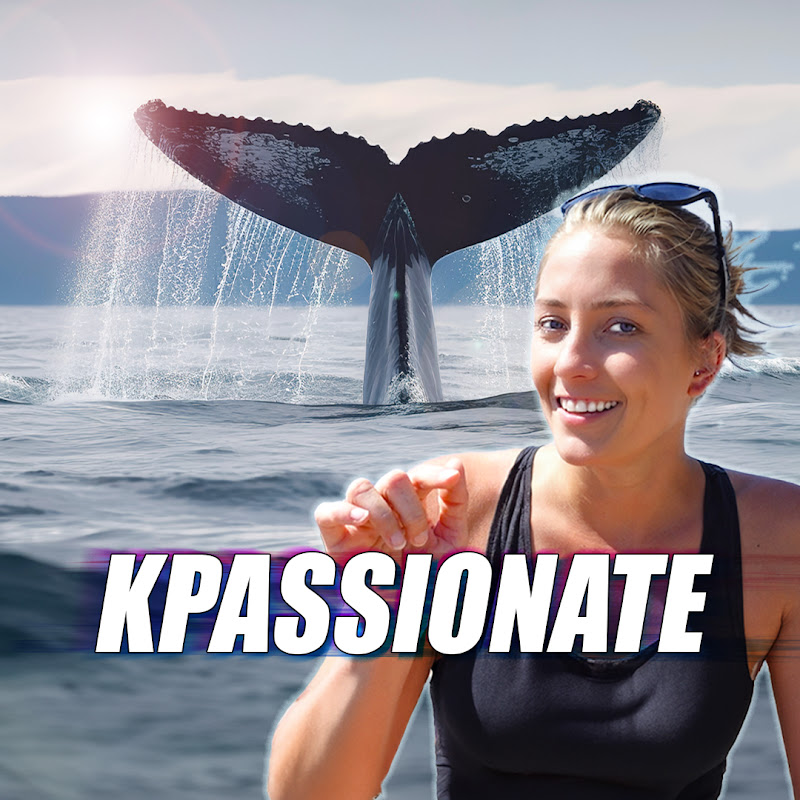
For years, mysterious sounds were recorded near the Mariana Trench that defied explanation... until now. A marine biologist reacts to the surprising origins of three previously unidentified sounds from the deep sea.
00:00 - Unexplained Deep Sea Sounds
01:37 - Why Marine Creatures Rely on Sound
03:34 - Biotwang Sounds From the Mariana Trench
05:07 - Biotwang Identified as Bryde's Whale
06:44 - Largest Unexplained Ocean Mystery is a Minke Whale
09:07 - The Bloop and Other Deep Sea Sounds
11:07 - The Bloop Was an Icequake
12:28 - Marine Biologist Reacts to Unidentified Deep Sea Sounds
Learn more about marine mammals and how they use sound!
The Evolution of Whales → https://youtu.be/NLaNg10F8Uk
Orca Echolocation → https://youtu.be/SRdHMG7mQ90
Can AI translate whale songs → https://youtu.be/RRbuQh3ClYc
These deep sea sounds are not man-made. Their acoustic signature is natural, and in many cases, biological. The most famous unidentified deep sea sound is The Bloop. A researcher at NOAA believed the sound profile resembled a living creature, with one crucial difference… it was so loud that it was picked up by underwater microphones across the Pacific, more than 3,000 miles apart. Making it one of the loudest sounds ever recorded. "Far more powerful than the calls made by any animal on Earth.”
The biotwang was originally recorded in 2014 near the Mariana Trench. At first, researchers couldn’t identify its source but they believed it was a marine mammal. Which might be surprising because the last section of the biotwang really does sound synthetic.
For decades, the bio-duck was recorded in the southern ocean but the animal producing it was a complete mystery. “The enigma surrounding the sound was further deepened by its discordant seasonal occurrence patterns.” The bio-duck can be heard year-round in the Antarctic. In the winter and spring, it occurs simultaneously in the eastern Weddell Sea and off Western Australia. This indicates it either has an extremely widespread distribution, or a year-round presence in Antarctic waters by one segment of the population and a seasonal migration pattern by another. One animal that fits this pattern, is the Minke whale...
Sources:
[1] https://pmc.ncbi.nlm.nih.gov/articles/PMC4013705/
[2] https://pmc.ncbi.nlm.nih.gov/articles/PMC7657898/
[3] https://pmc.ncbi.nlm.nih.gov/articles/PMC5319310/
[4] https://pmc.ncbi.nlm.nih.gov/articles/PMC3952195/
[5] https://www.int-res.com/articles/meps/119/m119p001.pdf
[6] https://www.sciencealert.com/decades-ago-a-huge-noise-roared-in-the-ocean-for-years-it-was-a-mystery
[7] https://www.frontiersin.org/journals/earth-science/articles/10.3389/feart.2019.00183/full
[8] https://www.worldwildlife.org/stories/a-whale-s-eye-view-of-antarctica
[9] https://www.theatlantic.com/video/index/543105/the-bloop-loudest-sound-ever-recorded-cara-cusumano/
[10] https://www.smithsonianmag.com/smart-news/mysterious-repetitive-quacking-noise-in-the-southern-ocean-may-have-been-a-conversation-between-whales-180985545/
[11] https://www.livescience.com/animals/whales/mysterious-sound-coming-from-the-mariana-trench-has-finally-been-explained
[12] https://en.wikipedia.org/wiki/List_of_unexplained_sounds
[13] https://pubs.aip.org/asa/jasa/article/140/3/EL274/649641/A-complex-baleen-whale-call-recorded-in-the
[14] https://cdn.oceanservice.noaa.gov/oceanserviceprod/facts/sofar.pdf
[15] https://dosits.org/science/movement/sofar-channel/sound-travel-in-the-sofar-channel/
[16] https://oceanexplorer.noaa.gov/gallery/sound/sound.html
Videos
[1] https://www.youtube.com/watch?v=BPIi2nkVBd4
[2] https://commons.wikimedia.org/wiki/File:The_first_test_launch_of_the_Hyunmoo_4-4_SLBM_of_the_Dosan_Ahn_Changho-class_submarine_in_September_2021.webm
[3] https://commons.wikimedia.org/wiki/File:Kolumbo-submarine-volcano-(Greece)-An-active-window-into-the-Aegean-subduction-system-srep28013-s3.ogv
[4] https://www.youtube.com/watch?v=bqCKwwdc47A
[5] https://www.youtube.com/watch?v=qqk8NZ_HYNw
------------------------
Patreon →https://www.patreon.com/kpassionate
-----------------------
Social media:
Twitch → https://www.twitch.tv/kpassionate
Instagram → https://instagram.com/kp.assionate
Discord → https://discord.gg/YuuHNm2t2E
Merch →https://shop.kpassionate.com
----------------------
Music
Cody Martin - soundstripe.com
Additional Imagery
NOAA Fisheries
NASA
Voice of America Radio
US Navy
Calin - stock.adobe.com
maddrat - soundstripe.com
Andriy Nekrasov - stock.adobe.com
LubaLi - stock.adobe.com
EmmFilm - soundstripe.com
HappyRichStudio - stock.adobe.com
Sanit - stock.adobe.com
PeterO - stock.adobe.com
blackboxguild - stock.adobe.com
IM Imagery - stock.adobe.com
Gorodenkoff - stock.adobe.com
BlackBoxGuild - soundstripe.com
markoconnell - soundstripe.com
Uryadnikov Sergey - stock.adobe.com
Wirestock - stock.adobe.com
gravytime - soundstripe.com
Airstock - soundstripe.com
#kpassionate #deepseamystery #marinebiology
📊 Video Statistics
🎧 About This Track
📖 How to Get the Most Out of This Audio
To fully enjoy "Unidentified Deep Sea Sounds Finally Explained by Marine Biologists", we recommend the following approach:
- Set the Scene: Find a comfortable position, dim the lights if possible, and minimize distractions.
- Use Quality Audio: Headphones or quality speakers will enhance the experience significantly.
- Adjust Volume: Keep the volume at a comfortable background level - loud enough to hear, quiet enough to relax.
- Enable Loop: Click the Loop button above for continuous play during your session.
- Try the Mixer: Use our Ambient Sound Mixer below to customize the audio with additional sound layers.
This 13:24 track is ideal for relaxation, focus, sleep. With 300K views, it has become a trusted choice for thousands of listeners worldwide.