2-Minute Neuroscience: Stages of Sleep
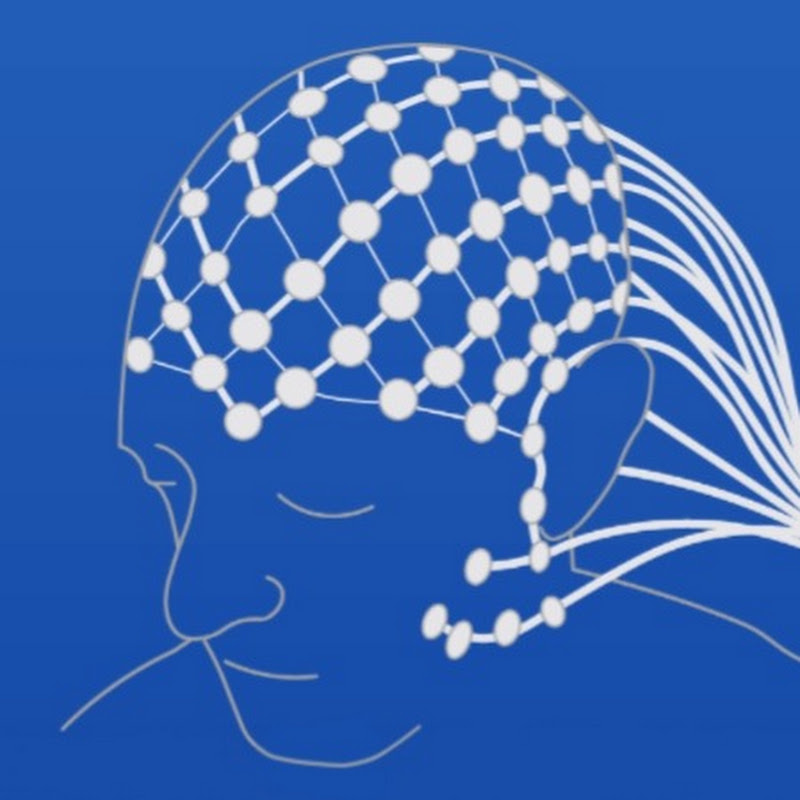
Sleep stages are defined based primarily on the measurement of electrical activity in the brain using an electroencephalogram, or EEG. In this video, I discuss the 4 stages of sleep and what the electrical activity of the brain looks like in each stage.
If you're looking for accessible and entertaining ways to learn more about the brain, check out my books:
📚Your Brain, Explained: What Neuroscience Reveals About Your Brain and its Quirks: https://www.amazon.com/Your-Brain-Explained-Neuroscience-Reveals/dp/1473696569/
📚Bizarre: The Most Peculiar Cases of Human Behavior and What They Tell Us About How the Brain Works: https://www.amazon.com/Bizarre-Peculiar-Cases-Human-Behavior/dp/139980121X/
TRANSCRIPT:
Welcome to 2 minute neuroscience, where I explain neuroscience topics in 2 minutes or less. In this installment I will discuss the stages of sleep.
Sleep stages are defined based on the measurement of electrical activity in the brain using an electroencephalogram, or EEG. An EEG represents fluctuations in brain electrical activity in voltage as a waveform of variable frequency and amplitude.
The American Academy of Sleep Medicine classifies sleep as consisting of 4 stages. The first two stages involve drowsiness and light sleep. When someone begins to fall asleep, they enter stage 1, during which an EEG records low-amplitude waves of mixed---but mostly high---frequencies. Next, the person enters stage 2 sleep. This is characterized by the presence of phenomena on an EEG known as sleep spindles and K complexes. Sleep spindles are trains of high-frequency waves. A K complex involves a biphasic wave that stands out from the rest of the EEG. Stage 3 sleep is also known as slow-wave sleep or deep sleep. In stage 3, delta waves, which are low-frequency, high amplitude waves, make up at least 20% of brain activity. Stage 3 sleep is thought to be especially important to overall restfulness. Next, the sleeper passes rapidly back through stage 2 and stage 1 before entering rapid eye movement, or REM, sleep. In REM sleep, EEG activity resembles what’s seen in stage 1 or restful waking. During REM sleep, the muscles are completely relaxed and limp but the eyes are moving rapidly. This is the time of sleep when our most vivid dreams are likely to occur.
After REM sleep, the person will sometimes awaken briefly but then will move through the sleep stages again, in order. Most people will repeat this cycle 4-5 times a night, with each cycle lasting about 90-110 minutes.
Reference:
Silber MH. Staging Sleep. Sleep Medicine Clinics. 2012 Sep;7(3):487-496.
📊 Video Statistics
🎧 About This Track
📖 How to Get the Most Out of This Audio
To fully enjoy "2-Minute Neuroscience: Stages of Sleep", we recommend the following approach:
- Set the Scene: Find a comfortable position, dim the lights if possible, and minimize distractions.
- Use Quality Audio: Headphones or quality speakers will enhance the experience significantly.
- Adjust Volume: Keep the volume at a comfortable background level - loud enough to hear, quiet enough to relax.
- Enable Loop: Click the Loop button above for continuous play during your session.
- Try the Mixer: Use our Ambient Sound Mixer below to customize the audio with additional sound layers.
This 1:59 track is ideal for overnight sleep sessions. With 607.7K views, it has become a trusted choice for thousands of listeners worldwide.