How Trauma and PTSD Change the Brain
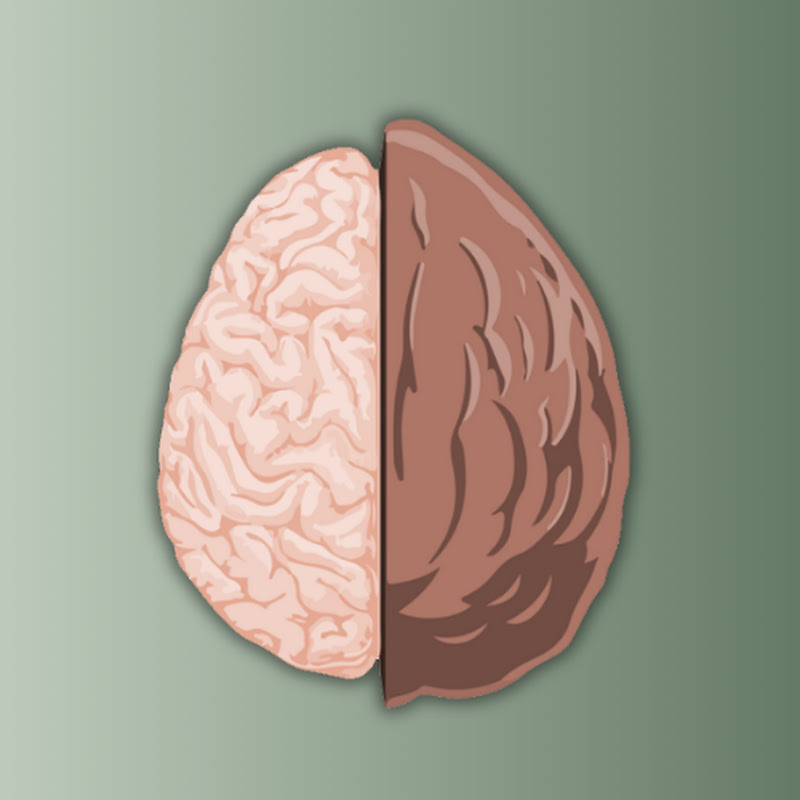
Learn how trauma and PTSD change the brain—impacting the amygdala, hippocampus, and prefrontal cortex—and discover therapy-based recovery strategies.
Join Therapy in a Nutshell’s membership: https://courses.therapyinanutshell.com/membership
You'll get instant access to all 10 life-changing courses, live weekly Q&As, and a supportive community for just $27/month. Learn how to manage anxiety, process trauma, regulate emotions, and build lasting resilience so that you can live a deeply rich and meaningful life!
Check out my free course, Grounding Skills for Anxiety and PTSD, here:👉 https://courses.therapyinanutshell.com/grounding-skills-for-anxiety-stress-and-ptsd/?utm_medium=YTDescription&utm_source=YouTube
Trauma and PTSD isn't just "all in your head" it's literally in your head. Trauma and PTSD change the brain in four very specific ways. Traumatic experiences like abuse, assault, or witnessing violence or tragedy can leave people feeling constantly on edge. PTSD can impact your emotions, your stability, your relationships. And trauma can have an impact on your physical and mental health. These are really common experiences for many, and they are in part due to four ways that your brain changes after experiencing trauma. But the good news is that when you understand how trauma impacts the brain, these symptoms can often be reversed. You can learn to heal.
When trapped in a constant trauma response people with PTSD experience four types of difficult PTSD symptoms including:
1. Painful thoughts
2. Intense emotions
3. Bodily changes
4. Behavioral changes
These “symptoms” show up because after experiencing trauma, your brain changes on a physical level. This isn’t simply “damage” as people would perhaps think, but it’s your brain adapting to the experience that the world isn’t safe, and in my opinion, taking measures to help you avoid future dangers. So essentially it makes you more danger avoidant. Your brain is super moldable, and it adapts and shapes due to what we experience and how we use it. So when we experience trauma, here are four ways the brain changes, or adapts, after experiencing trauma:
00:00 Intro
03:16 The Amygdala
04:18 The Hippocampus
05:44 The Prefrontal Cortex
07:06 The Broader Nervous System
08:06 Neuroplasticity
Click the link below to access the transcript:
https://therapyinanutshell.com/how-trauma-and-ptsd-change-the-brain/
Looking for affordable online therapy? My sponsor, BetterHelp, connects you to a licensed professional from the comfort of your own home. Try it now for 10% off: https://betterhelp.com/therapyinanutshell
Learn more in one of my in-depth mental health courses: https://courses.therapyinanutshell.com/?utm_medium=YTDescription&utm_source=YouTube
Support my mission on Patreon: https://www.patreon.com/therapyinanutshell
Sign up for my newsletter: https://courses.therapyinanutshell.com/free-resources
Check out my favorite self-help books: https://kit.co/TherapyinaNutshell/best-self-help-books
Check out my podcast, Therapy in a Nutshell: https://tinpodcast.podbean.com/
Therapy in a Nutshell and the information provided by Emma McAdam are solely intended for informational and entertainment purposes and are not a substitute for advice, diagnosis, or treatment regarding medical or mental health conditions. Although Emma McAdam is a licensed marriage and family therapist, the views expressed on this site or any related content should not be taken for medical or psychiatric advice. Always consult your physician before making any decisions related to your physical or mental health.
In therapy I use a combination of Acceptance and Commitment Therapy, Systems Theory, positive psychology, and a bio-psycho-social approach to treating mental illness and other challenges we all face in life. The ideas from my videos are frequently adapted from multiple sources. Many of them come from Acceptance and Commitment Therapy, especially the work of Steven Hayes, Jason Luoma, and Russ Harris. The sections on stress and the mind-body connection derive from the work of Stephen Porges (the Polyvagal theory), Peter Levine (Somatic Experiencing) Francine Shapiro (EMDR), and Bessel Van Der Kolk. I also rely heavily on the work of the Arbinger institute for my overall understanding of our ability to choose our life's direction.
And deeper than all of that, the Gospel of Jesus Christ orients my personal worldview and sense of security, peace, hope, and love https://www.churchofjesuschrist.org/comeuntochrist/believe
If you are in crisis, please contact the National Suicide Prevention Hotline at https://suicidepreventionlifeline.org/ or 1-800-273-TALK (8255) or your local emergency services.
Copyright Therapy in a Nutshell, LLC
----
Music licensed from www.Bensound.com or Artlist.io
Images from Freepik.com (premium license), Pixabay, or Wikimedia commons
📊 Video Statistics
🎧 About This Track
This 10 minutes audio journey has been thoughtfully composed to provide an authentic experience featuring rain sounds that have been carefully recorded and mastered for optimal relaxation. Every element has been balanced to ensure a consistent experience throughout, without jarring transitions or sudden changes that might disrupt your relaxation. The audio quality maintains professional standards, making it suitable for high-quality speakers, headphones, or sleep systems.
The rain sounds in this track range from gentle drizzles to steady rainfall, creating a natural rhythm that the human brain finds deeply soothing. Research has shown that rain sounds activate the parasympathetic nervous system, reducing stress hormones and promoting relaxation. The audio captures the full spectrum of rainfall, from the soft patter on leaves to the deeper tones of rain on various surfaces.
Listening to this audio can provide numerous benefits for both mental and physical well-being. Rain sounds have been scientifically shown to reduce cortisol levels, the primary stress hormone. The consistent, natural rhythm helps regulate heart rate and breathing, promoting a state of deep relaxation. Many listeners report improved sleep quality and reduced anxiety after incorporating rain sounds into their routines. Those dealing with anxiety have reported significant relief when using this audio as part of their coping toolkit.
Research in environmental psychology has demonstrated that rain sounds belong to a category called 'pink noise' - sounds that have equal energy per octave. Unlike white noise, pink noise more closely mimics natural sound patterns, which the human brain finds inherently calming. Studies published in the Journal of Theoretical Biology found that pink noise can enhance deep sleep by synchronizing brain waves with the sound patterns. The rhythmic, predictable nature of rainfall activates the parasympathetic nervous system, triggering a relaxation response that reduces heart rate and blood pressure.
The community response to this audio has been genuinely appreciative, with 42,860 likes reflecting the genuine impact it has had on listeners worldwide. In the comments section, listeners share personal stories of how this audio has helped them through difficult times, aided their sleep, or provided a reliable source of calm during stressful periods. Common emotional responses include feeling grateful, peaceful, calm, demonstrating the profound effect well-crafted audio can have on our mental state. Many listeners return to this track regularly, considering it an essential part of their self-care routine. The consistent quality and reliable results have built a dedicated community of listeners who trust this audio for their relaxation needs.
To get the most from this audio experience, consider your listening environment and equipment. Find a comfortable position and allow yourself to fully receive the audio experience. Quality headphones can enhance the spatial qualities of the recording, though speakers work well for creating ambient environments. Adjust volume to your preference—lower for background ambience, slightly higher for active listening. Consistency in your listening routine can amplify benefits over time, as your mind learns to associate these sounds with relaxation.
This audio is particularly effective during: After a stressful day when you need to decompress; During quiet evening hours for peaceful ambience; Weekend relaxation and self-care time; Any moment when you need to step away from daily pressures. The versatility of this track means it adapts well to various situations and times of day. Listen when you feel the need for calm, or make it part of your regular routine for cumulative benefits.
Published by Therapy in a Nutshell, this audio has been mastered for optimal streaming quality across all devices. At 10:40, this track works excellently with the built-in loop feature for extended listening sessions. The consistent audio levels throughout ensure no sudden volume changes that might disrupt your experience.
✨ Highlights
- ⭐ Reached 1 million+ views milestone
- 🌧️ Authentic rain sounds for natural relaxation
- 🎧 High-quality nature recordings
🎯 Best For
💡 Listening Tips
- 🔁 Enable looping for continuous relaxation
- 🔊 Keep volume moderate - rain works best not too loud
- 🎛️ Try the Ambient Sound Mixer to customize your experience
- 📱 Works great through phone speakers or Bluetooth
💬 What Listeners Say
"Improve your mental health with the free course, https://courses.therapyinanutshell.com/grounding-skills-for-anxiety-stress-and-ptsd"
— @TherapyinaNutshell 👍 68
"What sucks is who caused it aren't living with this at all. They're fine."
— @carolebeaulne618 👍 764
"I've had PTSD anxiety and depression for 27years I also have amnesia from a head injury. I wish everyone out there struggling all the best."
— @carolyncard6134 👍 453
📖 How to Get the Most Out of This Audio
To fully enjoy "How Trauma and PTSD Change the Brain", we recommend the following approach:
- Set the Scene: Find a comfortable position, dim the lights if possible, and minimize distractions.
- Use Quality Audio: Headphones or quality speakers will enhance the experience significantly.
- Adjust Volume: Keep the volume at a comfortable background level - loud enough to hear, quiet enough to relax.
- Enable Loop: Click the Loop button above for continuous play during your session.
- Try the Mixer: Use our Ambient Sound Mixer below to customize the audio with additional sound layers.
This 10:40 track is ideal for relaxation, focus, sleep. With 1.4M views, it has become a trusted choice for thousands of listeners worldwide.